A unit study on “Christmas around the world” is a natural fit for December. If you have littles, it’s a great way to introduce cultural differences through picture books and crafts, but older learners can do so much more.
Tweens and teens, and even kids eight and up, can appreciate the story behind a celebration and connect it to a larger culture. They’re also ready to learn about cultures totally unlike their own.
That’s because as kids grow, the learning shifts from Christmas to “Why is the Lunar New Year such an important holiday, and why does it matter?”
Just think about the impact of being able to answer:
Why does Chinese New Year fall on a different date every year?
Why do people in Peru honor the sun with a festival in the middle of winter?
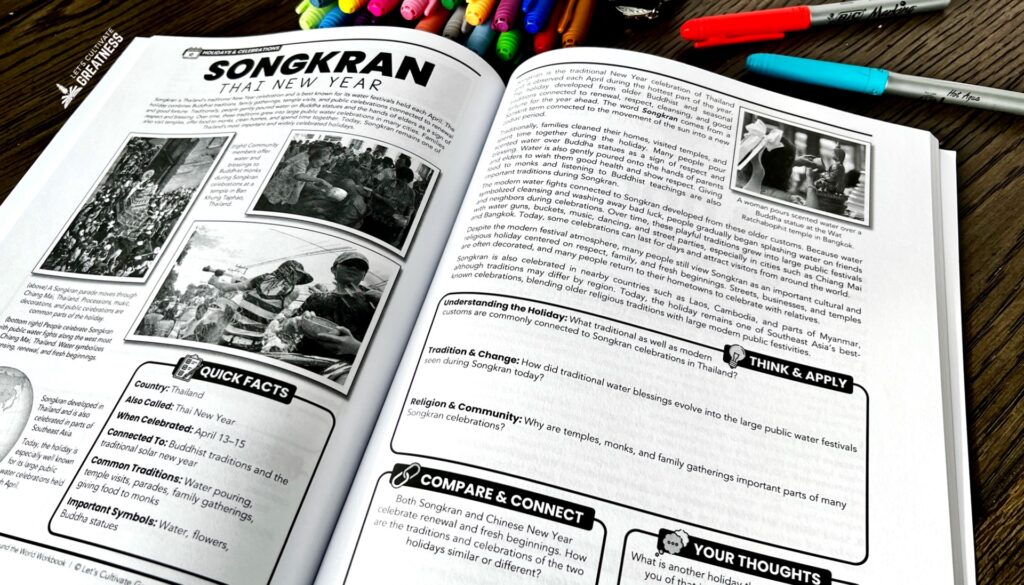
Why has Songkran turned into a fun water fight in Thailand?
Questions like these turn any holiday into a window into a whole place: its land, its history, and its people.
How Do You Teach About World Cultures?
7th to 9th grade is a great time to focus on world geography and cultures as your social studies focus. But you can always weave different cultures with younger kids, starting as early as kindergarten.
Holidays and traditions are an easy way to do that. Find picture books, chapter books, or videos on popular celebrations, holidays, and traditions around the world. Use them to help your child start thinking deeper than just “what is it?”
Three questions that work for any holiday, tradition, or celebration:
Where is it celebrated? Find it on a map. What countries or regions celebrate it?
Why there? How did geography, religion, or history shape it?
How has it changed? How did people celebrate it in the past compared to today? What has caused it to change over time?
These questions work for the traditions your own family keeps, too.
Which Holidays & Traditions Go Beyond Christmas?
Lots of them! Some of the world’s biggest celebrations happen at other times of year, and many follow a lunar calendar, so the dates shift each year. Here are a few to start with:
Chinese New Year, in late January or February, celebrating renewal and family
Songkran, Thailand’s New Year in April, famous for its water festivals
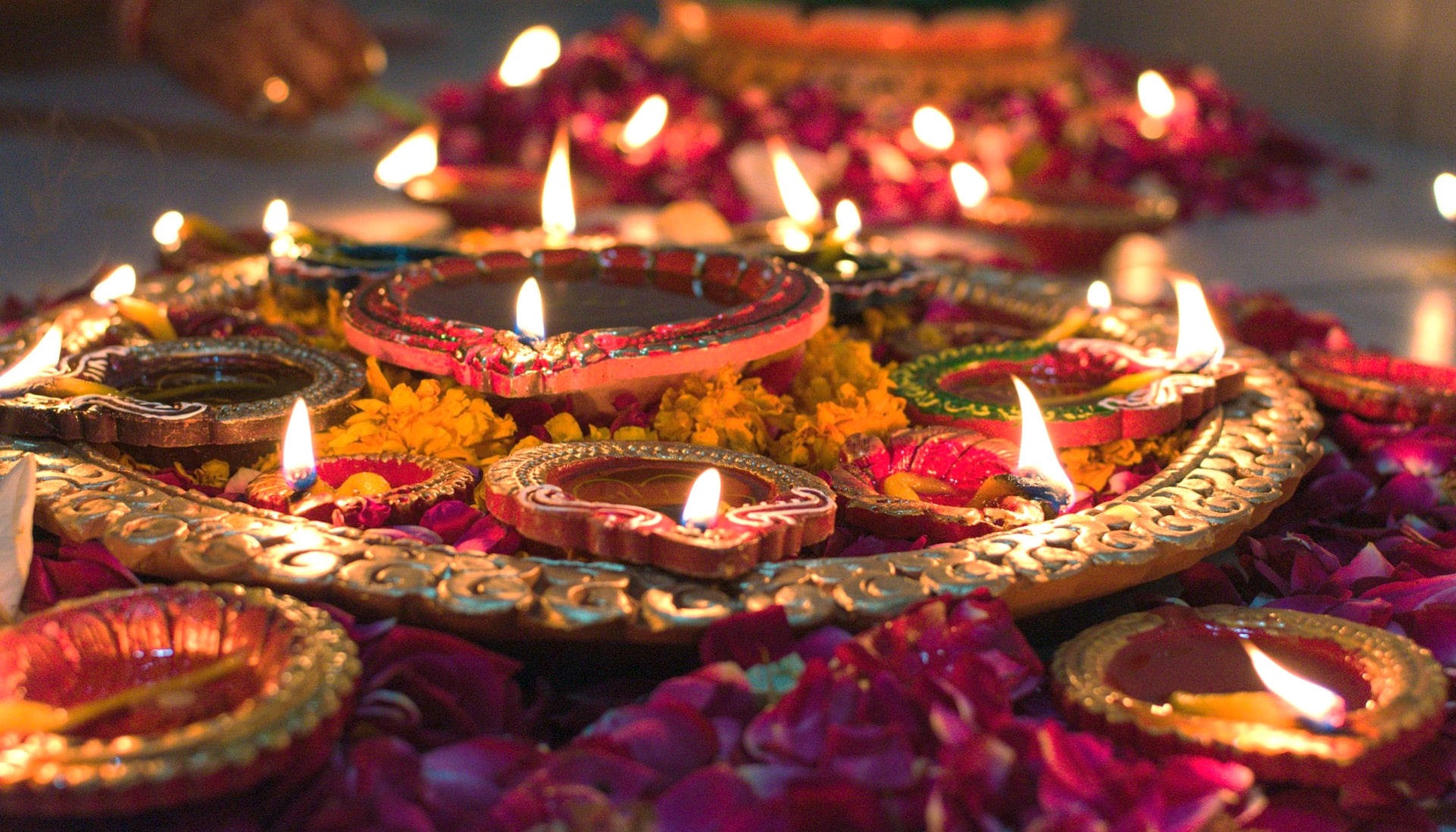
Diwali, the festival of lights celebrated by Hindus, Sikhs, and Jains in October or November
Día de los Muertos in Mexico, on November 1 and 2, honoring loved ones who have died
Super easy tip: learn about each holiday as it comes up on the calendar. Learn about Diwali the same week families around the world are lighting their lamps.
What Everyday Traditions Also Teach Kids About Other Cultures?
Some of the best windows into a culture are part of ordinary life. See if you can find books or documentaries that tell the story of things like:
Sitting for hours over coffee in a French café
The calm, careful rituals of a Japanese tea ceremony
Mariachi music at a Mexican family celebration
Surfing in Hawaii, which later became a worldwide sport
Each one shows what a culture values, whether that’s slowing down, showing respect, or coming together as a family.
What About Landmarks, Food, and Objects?
Culture shows up also in physical things, like what people build, cook, and make. Explore things like:
Landmarks: the Eiffel Tower, the Great Wall of China, Machu Picchu
Food: Italian pasta, Vietnamese pho, Jamaican jerk
Objects: the Inuit parka, the Aboriginal Australian boomerang, West African kente cloth
Every one of these leads back to geography. Why did the Inca build Machu Picchu on a mountain ridge? Why is an Inuit parka hood lined with fur? Once your child starts asking why here?, culture and geography become one subject.
Easy Ways to Bring World Cultures to Life at Home
These work for any age. Choose what fits your family:
Take a virtual field trip to the Eiffel Tower or Machu Picchu with Google Earth Street View.
Cook a recipe together, like pho, or make pasta by hand.
Listen to mariachi music or watch a Chinese New Year lion dance online.
Visit a local cultural festival, celebration, or museum exhibit.
A Look Inside Holidays, Traditions, & Landmarks Around the World
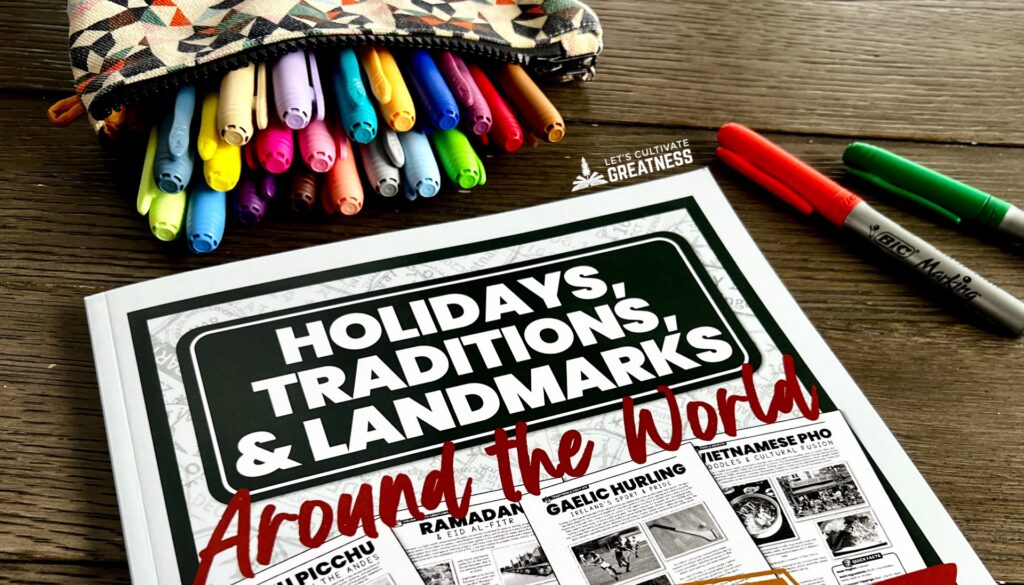
I wrote Holidays, Traditions, & Landmarks Around the World to enrich your world geography and cultural studies. It covers 36 cultural items (cover one a week!), organized under four themes: landmarks, traditions and daily life, holidays and celebrations, and food and objects.
Each entry includes photos, a map, a short reading, and critical-thinking questions.
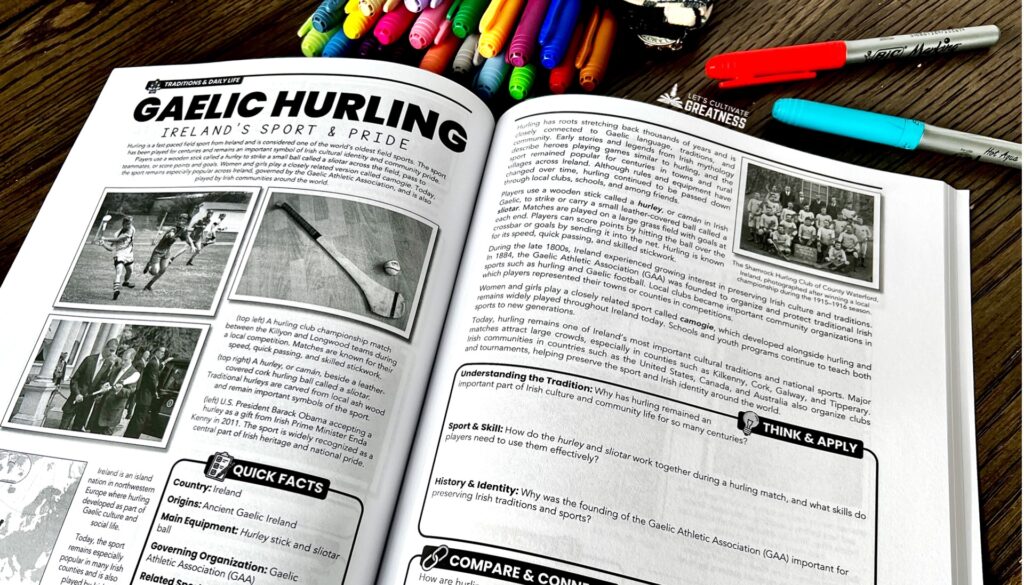
Use this workbook on its own or as part of a full curriculum collection. This workbook is part of my World Geography Workbook Series.
To see more inside the workbook, check out my flip-through video:
You can purchase Holidays, Traditions, & Landmarks Around the World here.